
Is There an Official Halifax County Roster?
Halifax County publishes no verified most-wanted page for public browsing. Neither the sheriff's public pages nor the courts offer a searchable roster of people with active local warrants. The county's site sticks to agency services and contacts. No town roundup exists for South Boston, Halifax, Scottsburg, or Virgilina either. That is why no names, photographs, alleged charges, or claimed rewards from social posts and third-party pages appear here. A missing list is not proof that nobody is wanted, though. A Halifax County agency can still issue a targeted public alert without keeping a running roster. To check one warrant's status, go straight to the court or office holding that record. The outstanding-warrant guide explains why the issuing office matters.
A Wanted Notice Is Not a Complete Case Search
A wanted notice spotlights one investigation, not every open warrant in Halifax County. It can linger online after an arrest or a recall. A similar name may belong to someone else entirely. Check the issuing agency and the notice date, then ask the court whether the warrant still stands.
Where Halifax County Case Information Appears
Virginia's Online Case Information System indexes many General District and Circuit Court cases by party name or case number. It is a case index. It is not an active-warrant repository. Juvenile and Domestic Relations records face access limits. They do not appear there in the same way. A blank result can mean a spelling difference, a different court, restricted access, or a record outside the system, and it does not certify that no warrant exists. Adult traffic and misdemeanor cases generally route through Halifax General District Court. Felony files go to the Circuit Court clerk. A juvenile or support matter sits with the Juvenile and Domestic Relations clerk, where confidentiality rules apply. Before trusting a partial screen, ask the Halifax County clerk which channel fits.
Safe Steps When a Notice Names Someone
When a government account or news story shares a wanted notice, confirm that the agency named in it is the real source. Follow that agency's instructions for tips. Never confront, follow, or detain anyone. Call 911 if there is an immediate threat or emergency. For anything less urgent, use a verified Halifax County agency number rather than a direct message or an unfamiliar payment link.
- Record the issuing agency, notice date, and its official contact route.
- Do not post a person's address, family details, or unverified allegations.
- Do not send money to anyone claiming a fee or reward is needed to clear a warrant.
- Tell the agency if your information is uncertain; let investigators assess it.
For non-emergency questions, the Halifax County Sheriff's Office answers at 434-476-3339. An urgent danger calls for emergency dispatch, not a public-records lookup.
Why Local Warrant Data Is Not One Public List
Warrants in Halifax County come from different courts. They may be entered, served, or recalled by separate offices. Local and state law-enforcement systems can exchange information for authorized operational use. None of that is an open public search service. The Virginia Criminal Information Network and National Crime Information Center are criminal-justice systems. No public roster comes from them. Some records also stay protected while an investigation runs. Virginia law lets search-warrant materials be withheld before execution or for a limited period after issuance, and a court may order records sealed. That is why a public notice, a docket, and an agency record can show different details at the same time. No Halifax County website can truthfully claim to query those systems or publish their results.
Children's Records Stay Out of Public Roundups
Juvenile law-enforcement records carry confidentiality protections. They do not belong on a public wanted list. The Juvenile and Domestic Relations clerk handles restricted case classes in Halifax County, including juvenile matters and support cases. You cannot judge such a matter by online visibility. A parent, guardian, or party with a lawful role should call the clerk and ask what identification and access procedure applies. Keep a minor's name, school, address, and case details private. Never infer an adult warrant from a youth record. Never mix a juvenile result into an adult search. When an agency issues an urgent public safety notice, follow its official channel and add no identifying details beyond what law enforcement released. The confidentiality rules for these Halifax County records come from Virginia Code § 16.1-301.
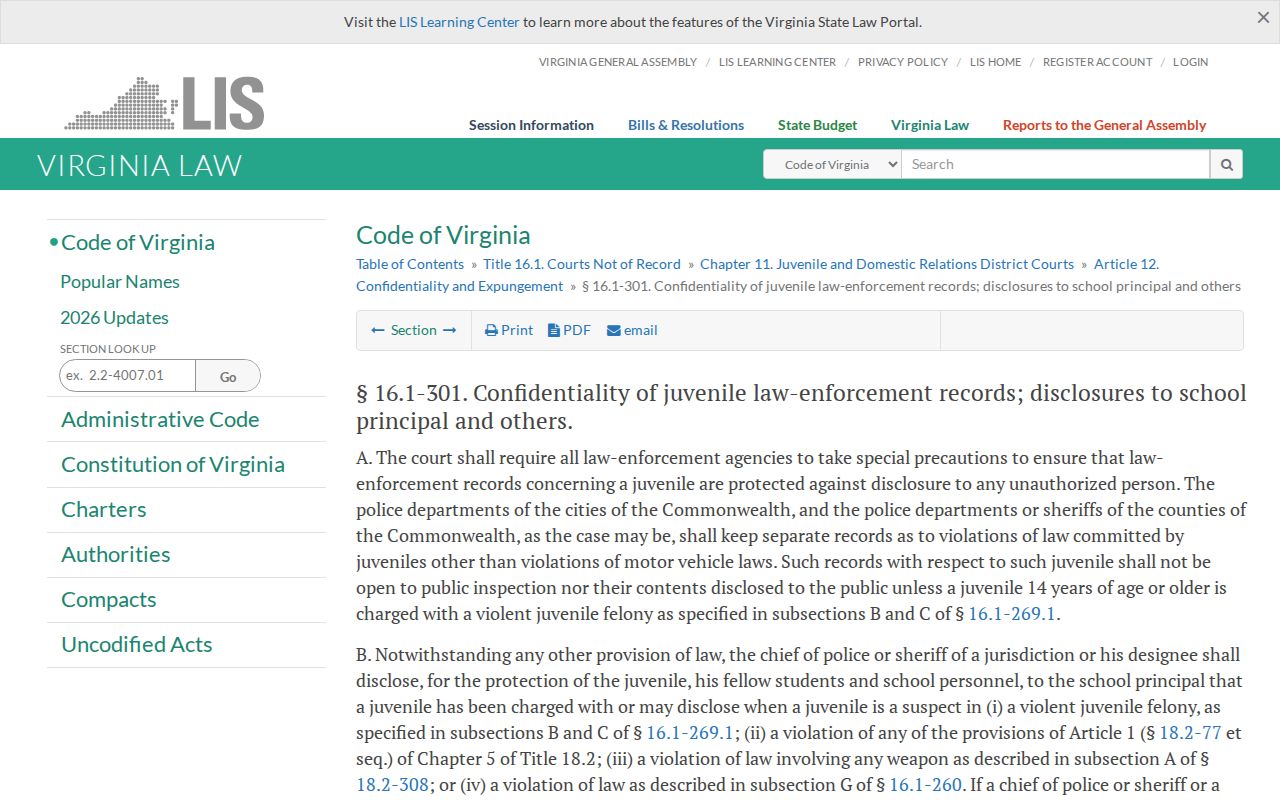
If a file may involve a minor, use the Halifax County clerk's restricted access process instead of public web searches.
Do Not Confuse a Federal Fugitive Alert With a County Case
A federal fugitive alert works differently from a Halifax County case. The issuing authority is not the local General District Court but a federal body, often the Western District of Virginia, and the agencies behind those notices keep public records apart from the Halifax County sheriff's own files. A federal court page can point you to that jurisdiction. It will not list Halifax County warrants. County staff cannot verify federal process for you either. One scam is worth flagging here. Callers posing as marshals or court officers sometimes demand gift cards, cryptocurrency, or remote payment codes to make an arrest threat go away. Real courts and law enforcement never clear a warrant that way. Hang up, look up the agency's published number yourself, and call that instead. The U.S. District Court for the Western District of Virginia posts its own contact and case information for federal matters.
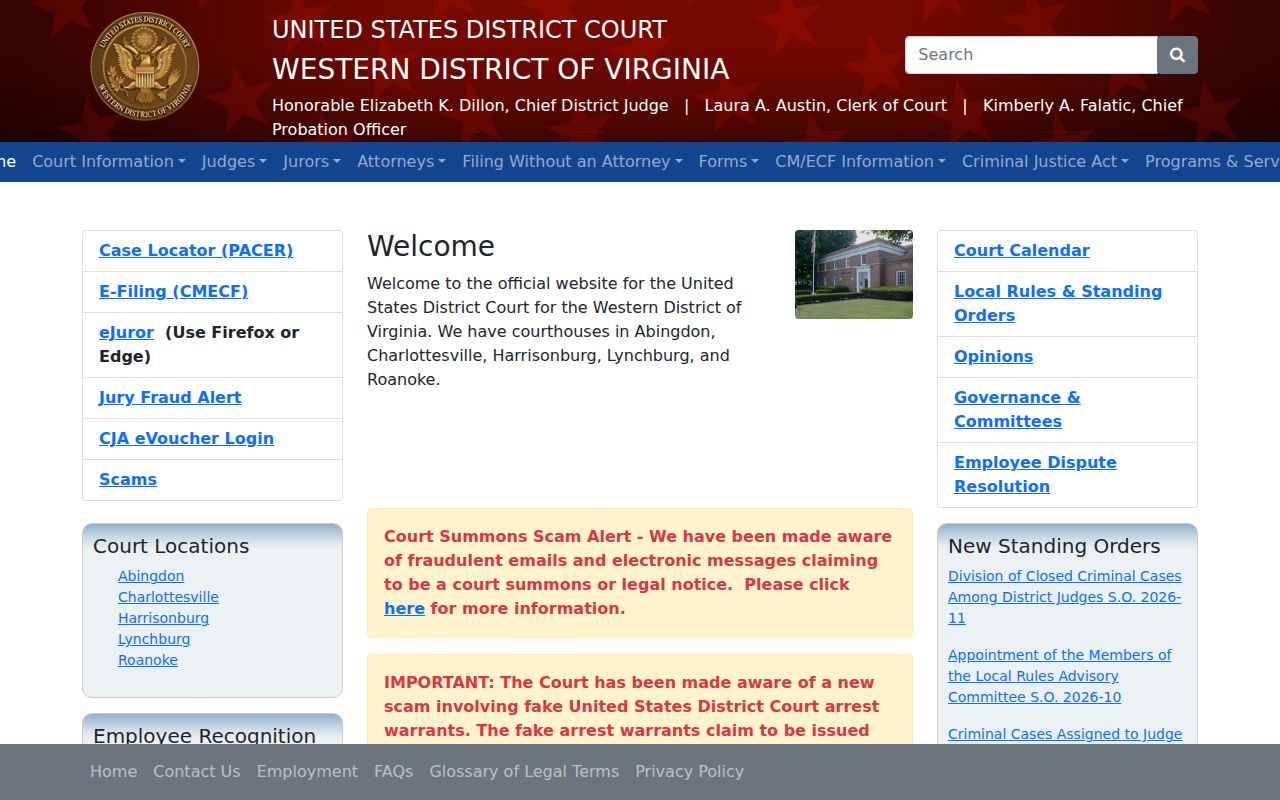
For anything federal, contact the court or the listed agency itself; Halifax County clerks cannot verify federal process.
Checking Public Docket Entries Responsibly
A docket hit is a starting point, not a verdict. Write down the court, case number, filing date, charge, and next setting, then check that the name and any date of birth actually fit the person you searched. Old cases deserve a call to the clerk, since a later order may have changed everything. And remember the limit of the page: a status label alone tells you little without the court's explanation, and a docket entry is not proof of an active warrant right now. The numbers to use are easy to keep straight. Halifax General District Court answers adult traffic and misdemeanor docket questions at 434-476-3385. Circuit Court records sit with clerk Cathy M. Cosby at 434-476-6211. For Juvenile and Domestic Relations, clerk Brandy Strohm Conner takes calls at 434-476-3388 or 434-476-3389. Pick the court by the type of matter, not by where the person lives in Halifax County.
Public Records and Private Screening Have Different Uses
Open court records are not the same thing as permission to judge a person with them. A Halifax County wanted notice is especially thin evidence of anything: it picks certain cases for a public-safety purpose and can change without warning. An online docket carries the same caution. It shows what a clerk filed, not the full story behind it. If a Halifax County office denies you access to something, ask which public-record exception applies and whether a nonconfidential part can still be released. Virginia FOIA generally requires an answer within five working days, and reasonable actual charges may apply. That law covers records public bodies already hold. It does not force anyone to build a new roster, and it cannot confirm every active warrant. For a federal filing, PACER is the right tool, and PACER's official fee information spells out what it costs.
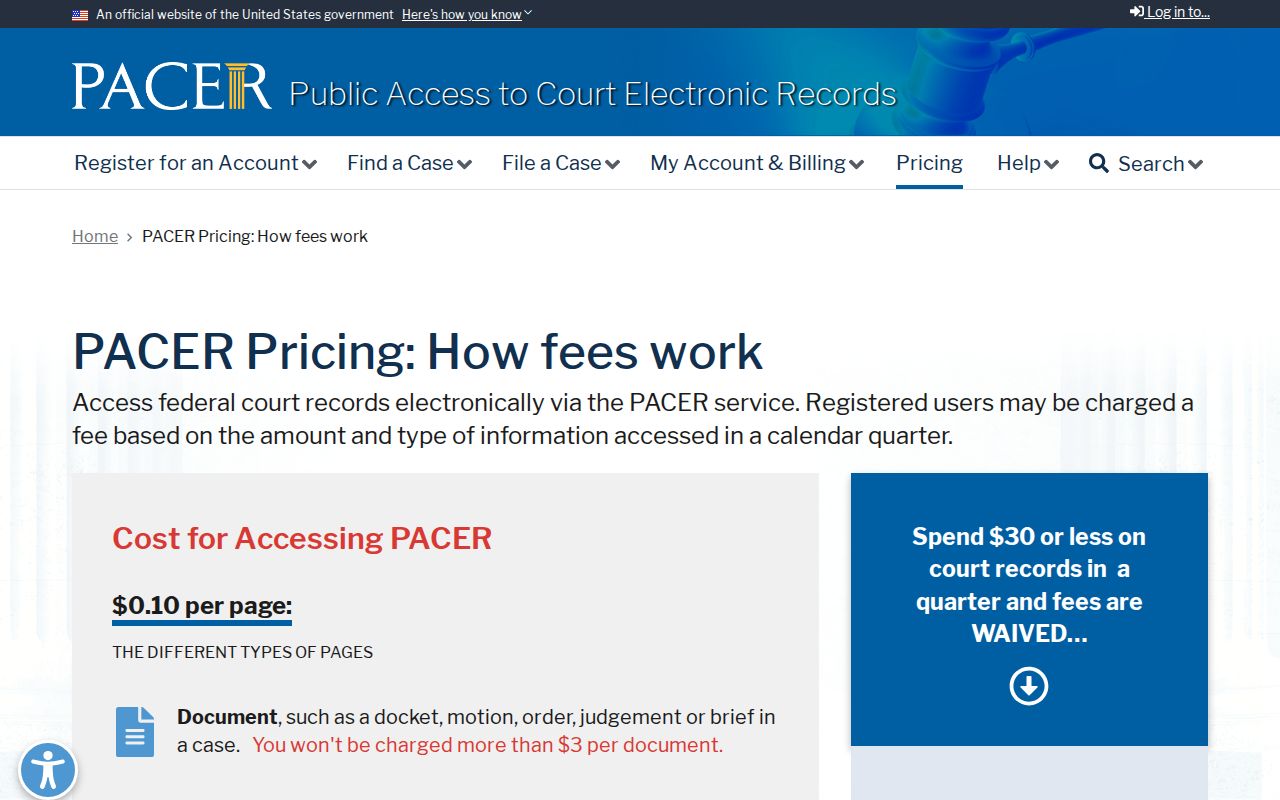
Reach for PACER only when the filing is federal, and check fees on Halifax County's nearest counterpart: the official PACER page itself.
How to Request an Agency's Public Notice
Wondering whether the Sheriff's Office put out a particular public notice? Ask for the notice itself, or ask for the office's public information contact. Halifax County lists its FOIA officer at foiaofficer@co.halifax.va.us. Describe the record plainly in your request. A date, an incident number, or the title of a public release all work well. FOIA does not make an agency answer broad questions, create a new list, or hand over protected investigative details. Virginia FOIA generally requires a response within five working days, and the agency may bill reasonable actual search and copying costs. For a big search, request an estimate up front. Then keep whatever comes back. A missing release or an empty web result does not prove that no warrant exists in Halifax County; only the issuing court can confirm one.